

Stages of Gynecomastia: A Comprehensive Overview
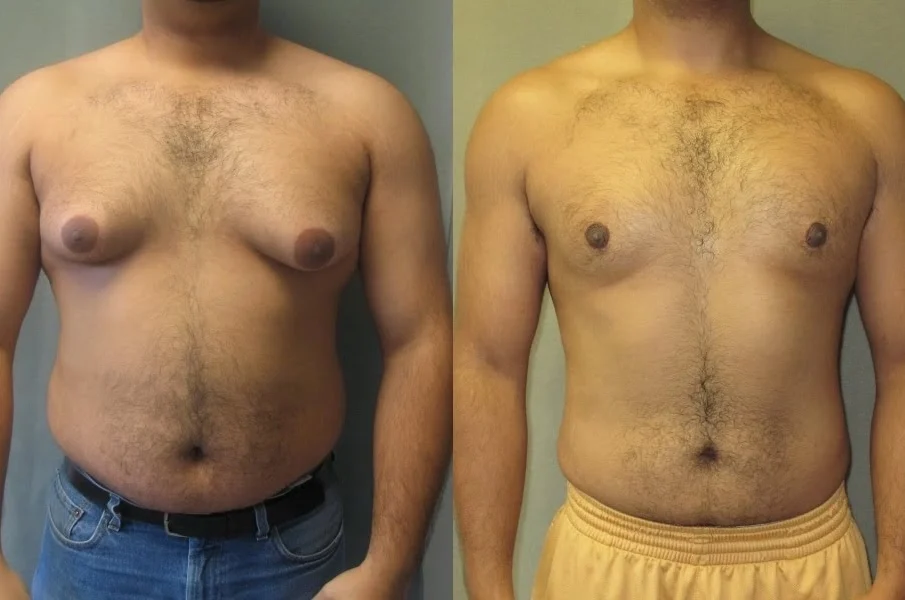
Gynecomastia is the non-cancerous enlargement of male breast tissue caused by an imbalance between estrogen and androgen levels. Gynaecomastia Surgery in Mumbai is often considered when estrogen activity increases or testosterone levels decline, leading to the growth of glandular tissue in the chest. Unlike fat accumulation from weight gain, gynecomastia involves true breast tissue. It can affect males at any age but is most commonly seen in infants, teenagers, and older adults.
Who is Affected?
Newborns: Around 60 to 90 per cent of male infants experience temporary breast enlargement due to maternal estrogen. This usually disappears within a few weeks.
Adolescents: Nearly 65 per cent of boys may develop gynecomastia during puberty. In most cases, it resolves within six months to two years as hormones stabilise.
Adults: Between the ages of 50 and 69, about 30 to 70 per cent of men experience gynecomastia due to declining testosterone and relatively higher estrogen levels.
Causes of Gynecomastia
Hormonal Imbalance: An excess of estrogen or reduced testosterone is the main cause. This can occur naturally with age, puberty or due to other health issues.
Medications: Certain drugs, such as anabolic steroids, anti-androgens, antidepressants, antipsychotics, and ulcer medications, may trigger gynecomastia.
Medical Conditions: Liver disease, kidney failure, hypogonadism, hyperthyroidism, and hormone-secreting tumours can disrupt hormone balance and cause breast tissue growth.
Stages of Gynecomastia
Grade I (Initial Stage):
This stage includes mild breast tenderness, slight enlargement, and a small movable lump beneath the nipple. There is no excess skin. The nipple may appear cone-shaped, and changes are often difficult to notice.
Grade II (Intermediate Stage):
Breast tissue increases further, making the chest appear fuller. Nipples may protrude, and the areola can widen. Stretch marks may develop, but there is still no extra skin. This stage responds well to surgical treatment.
Grade III (Advanced Enlargement):
Both glandular and fatty tissue increase, causing noticeable breast protrusion. Mild excess skin may appear, and the condition becomes visible through clothing. Hormonal medications may help slow progression.
Grade IV (Severe Gynecomastia):
This stage involves large breasts with significant excess skin, resembling female breasts. Physical discomfort, skin irritation, and emotional distress are common. Surgery is the only definitive treatment.
Diagnosis
Doctors diagnose gynecomastia through physical examination, imaging tests such as ultrasound or mammography, and blood tests to assess hormone levels and organ function.
Treatment Options
Observation is recommended for mild or pubertal cases. Medications may help control hormone imbalance in the early stages. Surgery, including liposuction or gland removal, is effective for advanced cases. Lifestyle changes such as exercise, a balanced diet, and avoiding alcohol or steroids can also help.
Fastest Way to Treat Gynecomastia
Surgery is the quickest and most effective solution for persistent gynecomastia. Post-surgery





-
Safety Standards in Modern Pharmaceutical Compounding
How compounding pharmacies maintain strict quality, accuracy, and regulatory compliance when preparing ... -
-
-
-