

Comprehensive Solutions for Missing and Damaged Teeth
Missing or damaged teeth can affect more than just your smile—they can impact your confidence, speech, and ability to chew properly. Fortunately, modern dentistry offers a variety of solutions to restore both function and aesthetics, helping patients regain oral health and self-assurance. From long-lasting dental implants to removable dentures, the options available today can meet a range of needs and preferences. Understanding these treatments can help you make informed decisions about the best care for your teeth.
Dental Implants: A Reliable Permanent Solution
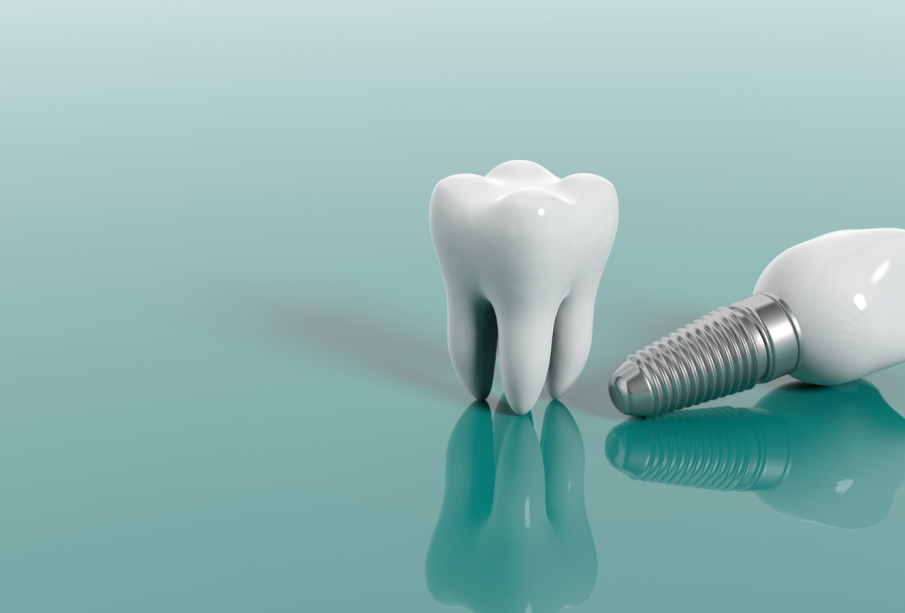
Dental implants are a popular and highly effective option for replacing missing teeth. These small titanium posts are surgically placed into the jawbone, where they act as artificial tooth roots. Once the implant integrates with the bone, a crown is attached, creating a natural-looking and fully functional tooth. Dental implants not only restore the appearance of your smile but also prevent bone loss in the jaw, which can occur after losing a tooth. With proper care, dental implants can last a lifetime, making them a permanent solution that many patients prefer over removable options.
Dentures: Convenient and Affordable Replacement
Dentures are removable prosthetic devices designed to replace multiple missing teeth. They are custom-made to fit comfortably in your mouth and restore your ability to chew and speak properly. Dentures can be a more affordable alternative to dental implants, and modern advancements have made them more natural-looking and durable than ever before. While some people may initially need time to adjust to wearing dentures, they provide a practical solution for restoring your smile, especially when multiple teeth are missing or oral surgery is not a suitable option.
Bridges: Filling the Gap
Dental bridges are another solution for replacing one or more missing teeth. A bridge consists of artificial teeth anchored to the adjacent natural teeth, effectively “bridging” the gap. Bridges help maintain the shape of your face, prevent neighboring teeth from shifting, and restore proper chewing function. While not as permanent as implants, bridges are a reliable option for patients seeking a fixed solution without surgery. They are typically made from materials like porcelain or ceramic, which blend seamlessly with your natural teeth.
Crowns: Protecting and Restoring Damaged Teeth
For teeth that are damaged but still present, dental crowns offer a protective and restorative solution. A crown covers the entire tooth, restoring its shape, size, strength, and appearance. Crowns are commonly used for teeth that are cracked, decayed, or weakened after a root canal. They can also be placed over dental implants to create a complete tooth replacement. Crowns are crafted from durable materials that mimic the natural color and translucency of teeth, allowing patients to maintain both function and aesthetics.
Veneers: Enhancing Appearance and Function
For those concerned primarily with the appearance of their teeth, veneers are a cosmetic option that can also improve function. Veneers are thin shells of porcelain or composite material bonded to the front surface of teeth. They can correct issues like chipped, discolored, or slightly misaligned teeth. While veneers do not replace missing teeth, they are an excellent solution for enhancing the overall look of your smile while preserving your natural teeth.
Conclusion
Addressing missing and damaged teeth is essential not only for oral health but also for confidence and overall quality of life. From the permanence of dental implants to the affordability of dentures, and the restorative benefits of crowns and bridges to the cosmetic advantages of veneers, modern dentistry offers a range of solutions to meet individual needs. Consulting with a qualified dental professional can help determine the most suitable option, ensuring your smile is both healthy and beautiful for years to come.




-
Safety Standards in Modern Pharmaceutical Compounding
How compounding pharmacies maintain strict quality, accuracy, and regulatory compliance when preparing ... -
-
-
-