

The Role of Educators in a Quality Preschool Environment
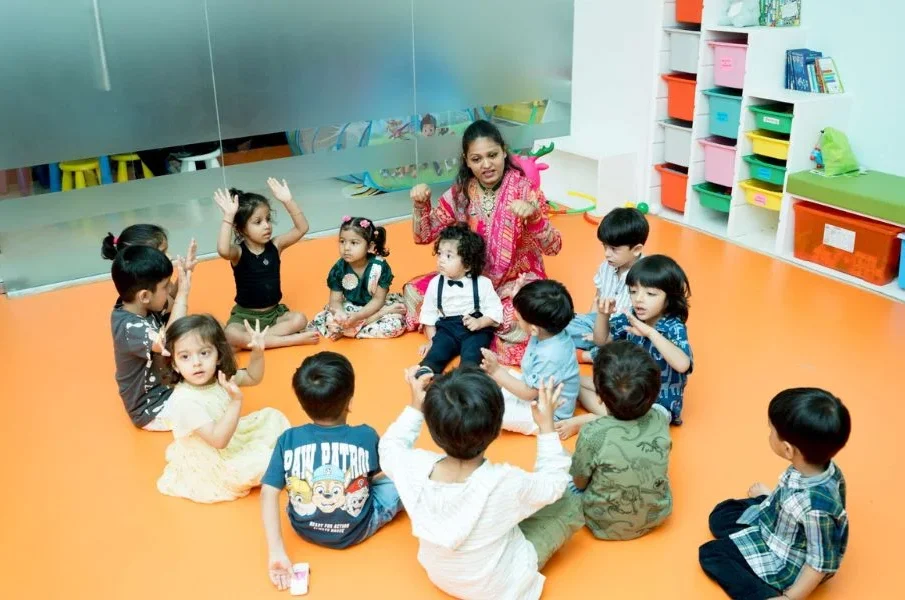
In a preschool setting, educators are vital to fostering a nurturing and enriching environment for young children. Their roles extend beyond simply teaching; they are integral to promoting social, emotional, and cognitive development during this crucial stage of early childhood. This blog explores how educators shape the preschool experience and contribute to the overall growth and well-being of their students.
Creating a Nurturing Atmosphere
A quality preschool environment begins with a nurturing atmosphere, and educators play a significant role in establishing this foundation. They create spaces that are not only safe but also stimulating, inviting curiosity and exploration.
By curating engaging learning materials and activities, educators foster an environment where children feel valued, loved, and confident to express themselves. This nurturing approach encourages students to develop a positive attitude toward learning, which is essential for their future educational journeys.
Implementing Developmentally Appropriate Practices
Educators in a preschool are trained to implement developmentally appropriate practices tailored to the unique needs of young learners. They understand that preschool-aged children have varying levels of cognitive, social, and emotional development.
By employing teaching strategies that respect these differences, educators can effectively support each child’s growth. This includes using hands-on activities, play-based learning, and interactive games that promote critical thinking and problem-solving skills. Such practices ensure that the preschool experience is both educational and enjoyable.
Fostering Social and Emotional Skills
One of the primary roles of educators in a preschool environment is to foster social and emotional skills. Through guided activities and group play, educators teach children how to interact with peers, share, and resolve conflicts. This social interaction is fundamental for developing empathy and understanding.
Educators also help children navigate their emotions, providing support and guidance when challenges arise. By creating a safe space for emotional expression, educators enable preschoolers to gain self-regulation and build resilience.
Encouraging Parental Involvement
Educators play a critical role in facilitating parental involvement in preschool. Recognizing the importance of the home-school connection, they encourage parents to participate in their child’s education. This involvement can be through classroom activities, parent-teacher conferences, or volunteering opportunities.
Educators communicate regularly with families, sharing insights about their child’s progress and providing resources to continue learning at home. Through this partnership, educators ensure that parents are engaged and informed, further enriching the preschool experience.
Continuously Assessing and Adapting
In a quality preschool setting, educators must continuously assess and adapt their teaching methods based on the needs of their students. This involves observing children during activities and taking note of their interests and challenges.
By analyzing this information, educators can tailor their lesson plans and interventions to better meet the evolving needs of each child. This adaptability is essential for ensuring that every child receives personalized attention and instruction, leading to a more effective preschool experience.
Conclusion
In conclusion, the role of educators in a quality preschool environment is multifaceted and crucial for the development of young children. By creating a nurturing atmosphere, implementing developmentally appropriate practices, fostering social and emotional skills, encouraging parental involvement, and continuously assessing and adapting their teaching methods, educators significantly enrich the preschool experience.
Their dedication and expertise help to lay a strong foundation for lifelong learning and personal growth in each child. As caregivers and mentors, educators inspire curiosity and resilience, setting the stage for future success.

Amy Banks is a wellness writer who specializes in nutrition, healthy habits, and balanced living. She creates practical content that helps readers improve their physical health and overall quality of life through realistic lifestyle changes.





-
What Affects the Cost of Invisalign Treatment?
Gradual teeth straightening is a well-liked orthodontic treatment that uses clear, removable ... -
-
-
-