

Maintain Visual Independence Through Specialist Guided AMD Treatment Programs
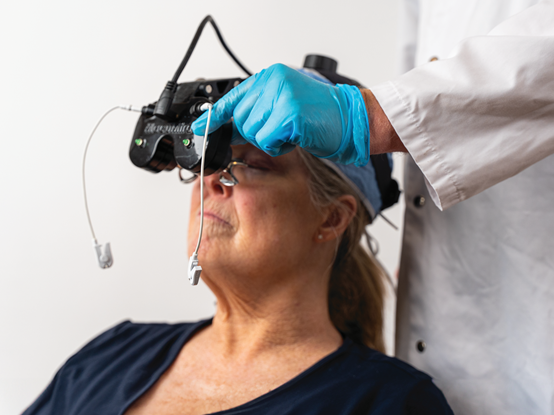
Clear eyesight supports confidence during daily routines and personal movement. Age related macular degeneration slowly disrupts sharp central vision. Modern clinics now provide structured amd disease treatment in UK options. Care plans aim to preserve independence and maintain visual comfort.
Early Direction For Managing Vision Decline
Specialist consultations guide patients through careful evaluation and planning. Clinicians explain retinal changes using understandable descriptions and visuals. Early guidance builds confidence before symptoms begin disrupting routines.
- Detailed retinal imaging supporting accurate diagnostic decisions
- Personal history review shaping individualized care pathways
- Vision monitoring schedules designed for steady observation
- Education sessions explaining realistic progression expectations
Early direction strengthens awareness around protective visual habits. Patients begin recognizing subtle vision changes earlier. Guided programs help people approach treatment decisions calmly.
Clinical Assessment Pathways Supporting Personalized Care
Structured examinations help specialists understand each patient’s visual condition. Careful observation ensures treatment matches individual retinal changes. Accurate findings reduce uncertainty during future medical decisions.
- Optical coherence scans identifying macular tissue condition
- Fluorescein imaging detecting abnormal retinal blood vessels
- Contrast sensitivity checks measuring central clarity strength
- Functional reading assessments observing daily visual challenges
Assessment findings guide practical treatment recommendations confidently. Clinicians discuss realistic expectations before therapy begins. Patients leave consultations understanding their personal management plan.
How Do Treatment Programs Protect Everyday Independence?
People often worry about losing reading ability quickly. Specialists explain that gradual monitoring helps prevent sudden decline. Therapy choices focus on protecting central clarity as long possible.
What actually supports daily independence during treatment journeys?
Consistent appointments allow doctors to notice subtle retinal shifts. Medication plans and monitoring reduce sudden vision instability. Patients frequently continue reading, travelling, and social interaction comfortably.
Medical Therapies Stabilising Progressive Macular Damage
Retinal specialists select therapies carefully according to disease pattern. Medication injections reduce abnormal blood vessel activity inside retina. These therapies help slow deterioration affecting central visual detail.
- Targeted anti vascular injections reducing retinal leakage
- Regular monitoring maintaining safe treatment response intervals
- Sterile clinical settings supporting safe procedure delivery
- Recovery guidance protecting comfort after each session
Doctors explain benefits clearly before beginning injections. Treatment schedules remain predictable and carefully supervised. Reliable therapy often stabilizes vision for extended periods.
What Should Patients Expect During Ongoing Monitoring?
Patients sometimes wonder how long monitoring continues. Doctors explain macular conditions require careful observation across years. Regular appointments maintain awareness of subtle visual alterations.
Why does continued supervision remain important after treatment begins?
Progression patterns vary greatly between individuals experiencing macular degeneration. Ongoing reviews allow specialists to adjust therapy timing precisely. Stable vision frequently results from consistent clinical oversight.
Long Term Vision Stability Through Structured Care
Specialist programs coordinate therapy with frequent retinal evaluation. Patients following amd disease treatment in UK plans often maintain practical visual function longer. Care teams provide reassurance during each stage of monitoring.
- Scheduled retinal imaging confirming treatment effectiveness regularly
- Medication adjustments responding to subtle clinical observations
- Lifestyle advice protecting remaining macular sensitivity
- Visual aids supporting reading and home independence
Structured care strengthens patient confidence about daily activities. Supportive clinicians answer concerns patiently during appointments. Individuals often feel reassured about managing long term visual health.
Living Confidently While Protecting Vision
Daily life continues meaningfully despite macular degeneration diagnosis. Supportive specialists focus on maintaining independence wherever possible. Clear guidance and consistent care build lasting reassurance. With attentive management, visual stability remains achievable for many individuals.






-
What Affects the Cost of Invisalign Treatment?
Gradual teeth straightening is a well-liked orthodontic treatment that uses clear, removable ... -
-
-
-